OnlyFans management contract checklist: what a fair agreement contains
A clause-by-clause OnlyFans management contract checklist: what a fair agreement says on commission, payouts, content ownership, access, and exit.
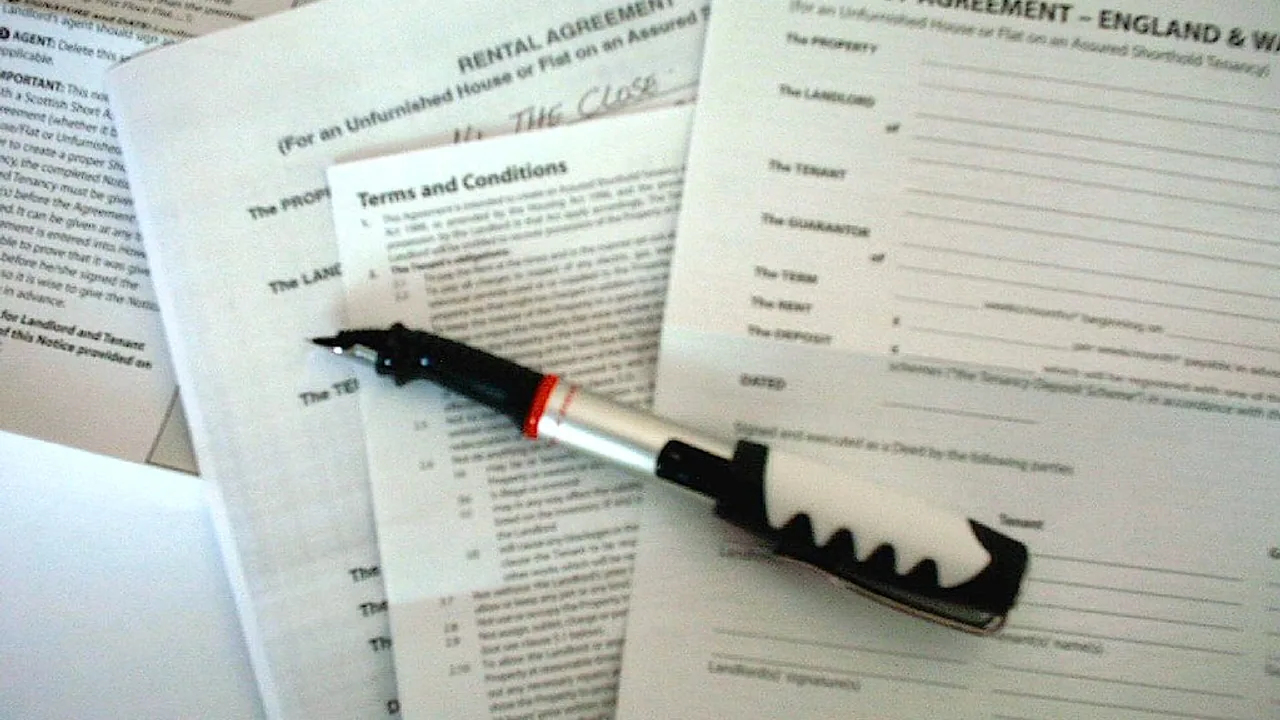
Creators search for an “OnlyFans management contract template” because they want to know what normal looks like. There is no standard one. OnlyFans does not issue a template, and every agency writes its own paper.
What does exist is a short list of clauses that decide who holds the money, the account and the content. This checklist sets out what a fair version of each clause says, what the risky version looks like, and what to do when a clause is missing.
The short version
A fair OnlyFans management agreement does five things:
- Names who you are dealing with. A real legal entity, with an address and a person who signs.
- Defines the money precisely. Commission on funds that clear, after the platform fee, refunds and chargebacks, with every other form of agency income disclosed.
- Keeps control with you. Payouts to your own bank, the login and two-factor method on your device, and ownership of your content.
- Protects your fans’ data. Written confidentiality for anyone who reads your inbox.
- Lets you leave cleanly. A short or rolling term, a stated notice period, and no open-ended claim on your future earnings.
If you cannot point to the sentence in the contract that covers each of these, the contract is not finished.
The checklist, clause by clause
| Clause | What a fair version says | What the risky version says |
|---|---|---|
| Parties | Full legal name of the agency company, where it is registered, and who signs for it | A brand name only, or a person signing “on behalf of” an unnamed company |
| Services | A list of what the agency will do (inbox, content planning, pricing, promotion, reporting) | “Management services” with nothing defined |
| Commission | A percentage of net earnings after the platform fee, refunds and chargebacks, with a worked example | A percentage with no base, or “of gross revenue” |
| Other income | Disclosure of referral bonuses, software affiliate deals and ad markups | Silent |
| Payouts | Paid to the creator’s own bank; agency invoices monthly from a statement | Payouts routed to the agency’s account first |
| Reporting | Monthly statement the creator can check against their own OnlyFans earnings page | Screenshots on request |
| Account access | Creator keeps the login and two-factor method; contract names the software used and who has access | Agency holds the password; creator “does not need” to log in |
| Content ownership | Creator keeps ownership; agency gets a limited license that ends with the contract | Agency owns or keeps rights to the content |
| Confidentiality | Chatters and staff under written confidentiality; no copying fan chats outside the account | Nothing on fan data |
| Term and exit | Rolling or short fixed term, stated notice period, right to leave if the agency breaches | Long term, auto-renewal with a long notice window, or exit only by “mutual consent” |
| After the contract | No commission after exit, or a short, capped tail on specific fans | Commission on all future earnings, or a non-compete on your own account |
| Liability | Agency is responsible for its own staff’s conduct | Creator indemnifies the agency for everything |
The sections below explain the clauses that most often go wrong.
Commission: the base matters as much as the percentage
OnlyFans takes a 20% fee before anything reaches your balance OnlyFans ToS. A 40% commission on a $100 sale is $40 if it is charged on gross, and $32 if it is charged on the $80 you actually receive. The same headline number means two different deals.
The fair clause goes one step further and excludes refunds and chargebacks. The OnlyFans terms make the creator responsible for chargebacks, so a commission on gross lets the agency keep its cut of money that was later taken back. We work through that in who eats the loss on an OnlyFans chargeback, and the full commission breakdown is in the contracts and commissions guide.
Also ask for a line on any income the agency earns from your account outside the commission. The clearest example is the OnlyFans referral program, which pays whoever referred you a share of your first year’s earnings. See the 5% your agency may already collect.
Payouts and reporting: the money should reach you first
This is the clause with the biggest consequences. When payouts go to a bank account in your name, the agency has to invoice you, and you can check its numbers against your own earnings page. When payouts go to the agency first, you only ever see what it chooses to pass on.
A California law firm that reviewed OnlyFans management contracts for a creator named “payment holding” as one of the main problems it fixed. Its advice was that earnings should be paid directly to the talent or held in a trust account on clear terms Daily Jones and Company. The same review also flagged contracts that gave the management company the creator’s intellectual property and allowed exit only with both sides’ consent.
Content ownership: you own it unless you sign it away
In the US, you own the copyright in content you create. A transfer of that ownership is not valid unless it is in writing and signed by the owner LII. That is exactly why a contract clause matters: it is the signed writing.
A fair contract does not transfer ownership. It gives the agency a limited license to post, schedule and sell your content on the managed account during the term, and says that license ends when the contract does. Watch for wording like “assigns,” “all rights, title and interest,” or rights that “survive termination.” Those phrases can move ownership, or keep the agency’s rights alive after you leave.
Account access and fan data
The contract should say who holds your login and two-factor method, which software the agency will connect to your account, and how access is removed on the day the contract ends. OnlyFans’ terms say that someone else helping to run your account does not change your own legal responsibility for it OnlyFans ToS. How agency software signs in is covered in who actually holds your login, and the account security guide covers the day-to-day checks.
Fan data needs its own line. The one claim still standing in the chatter class action is about agencies allegedly exposing fans’ identities and purchase history to chatters. A confidentiality clause covering everyone who reads your inbox is now a basic ask. See the chatter lawsuit for where that case stands.
Exit, non-competes and what survives the contract
The fair version has a short or rolling term, a notice period you can meet, and a right to leave early if the agency breaks the agreement. Put the notice deadline, not the end date, in your calendar the day you sign.
Look hard at anything that survives termination. A tail commission on fans the agency brought in can be reasonable if it is short and capped. A commission on everything you earn from then on is not. Neither is a clause that stops you running your own account or working with another manager.
Whether a non-compete holds up depends on where you live. California law says a contract that restrains anyone from a lawful profession, trade or business is void to that extent Cal. BPC § 16600. There is no federal ban. The FTC’s nationwide non-compete rule was struck down in court, and in September 2025 the FTC voted to drop its appeals FTC. Outside California, have a local lawyer read any restriction before you sign.
One California-specific check
Some agencies also book brand deals, shoots or appearances. In California, anyone in the business of procuring engagements for artists needs a talent agency license from the Labor Commissioner Cal. Labor Code § 1700.5, and the statute’s list of artists includes models. If a California agency’s contract gives it the job of finding you paid work outside OnlyFans, ask whether it holds that license. Running your own OnlyFans account is a different thing, so this check applies to the booking part of the deal.
What a clear offer looks like before the contract
Most agencies do not publish their contract terms, so the pitch is often all you have before you see the paper. What you want at that stage is an agency that explains the fee structure and what it covers before you commit, and does not promise results.
Creators Inc., the top-scored profile in our agency directory, is an example of that on its own management page. It says its team explains the fee or revenue-share structure, what it covers and the commercial terms before a creator decides, and that it does not guarantee earnings or a specific growth result. That is company-published and not a substitute for reading the contract, but it is the right order: terms first, then a decision. Hold any agency, at any score, to the checklist above when the paper arrives.
What to do with a contract in front of you
- Fill in the table yourself. For each row, copy the actual sentence from the contract. Blank rows are your questions.
- Ask for a worked example of one month’s payout: sale price, platform fee, refunds, commission, your balance.
- Get every verbal promise written in. An exit promise on a sales call does not bind anyone.
- Check the definitions against our glossary, especially net vs gross and notice period.
- Have a lawyer read anything about ownership, non-competes or liability. Those are the clauses hardest to undo.
The takeaway
There is no official OnlyFans management contract template, and you do not need one. You need to know what the fair version of a dozen clauses says, and to notice when one is missing. Commission on money that clears, payouts to your own bank, your content and your login kept in your name, and a clean way out cover most of the risk.
Frequently asked
Is there a standard OnlyFans management contract template?
No. There is no industry-standard or platform-issued template, and each agency writes its own. That is why a checklist is more useful than a template. Check that the contract covers the parties, services, commission base, payout flow, account access, content ownership, confidentiality, term and exit, and flag any of those that are missing.
Can an OnlyFans agency own my content?
Only if you sign it over. Under US copyright law, a transfer of ownership is not valid unless it is in writing and signed by the owner. A fair contract says you keep ownership and gives the agency a limited permission to use your content for the account during the term, which ends when the contract ends.
Should my OnlyFans payouts go to the agency?
A fair contract keeps payouts going to a bank account in your own name, with the agency invoicing you for its commission from a monthly statement. Payouts routed to the agency first mean you only see what it passes on, and that is one of the most common patterns in exploitative arrangements.
Are non-compete clauses in OnlyFans agency contracts enforceable?
It depends on where you are. California law makes contract terms that restrain someone from a lawful business void to that extent. The FTC's proposed nationwide ban was struck down in court, and in September 2025 the FTC dropped its appeals, so there is no federal rule. Other states set their own limits. Ask a local lawyer before signing anything that restricts your own business after the contract ends.
Sources
6- 1
- 2
- 3
- 4
- 5
- 6